Film & Visual Storytelling
Finding visual forms for stories that are difficult to say aloud.
Filmmaking allows me to work simultaneously with image, voice, movement, performance, and time. I am especially interested in stories shaped by memory, mental health, and everyday experience.
Across my projects, I have worked as a scriptwriter, cinematographer, actor, and production collaborator. Each role has taught me to think about communication from a different perspective: how a story is structured, how a camera directs attention, how performance creates empathy, and how visual details can express what dialogue leaves unsaid.
Anna’s Diary
Visualizing the Interior World of Cyberbullying
Festival Recognition
- 01Magic Film Award, 19th Busan International Kids and Youth Film Festival
- 02“Chin Gold” Award, 17th International CHINH India Kids Film Festival
- 03Teen Choice Award, 2024 China International Teen Short Film Festival
- 04Best Narrative Short Film, 2024 Parallusion Film Festival
- 05Finalist, Ethos Kids Film Awards
- 06Official Selection, Lift-Off Filmmaker Sessions
- 07Official Selection, First-Time Filmmaker Sessions
- 08Official Selection, Los Angeles International Children’s Film Festival
- 09Official Selection, Edo State International Film Festival
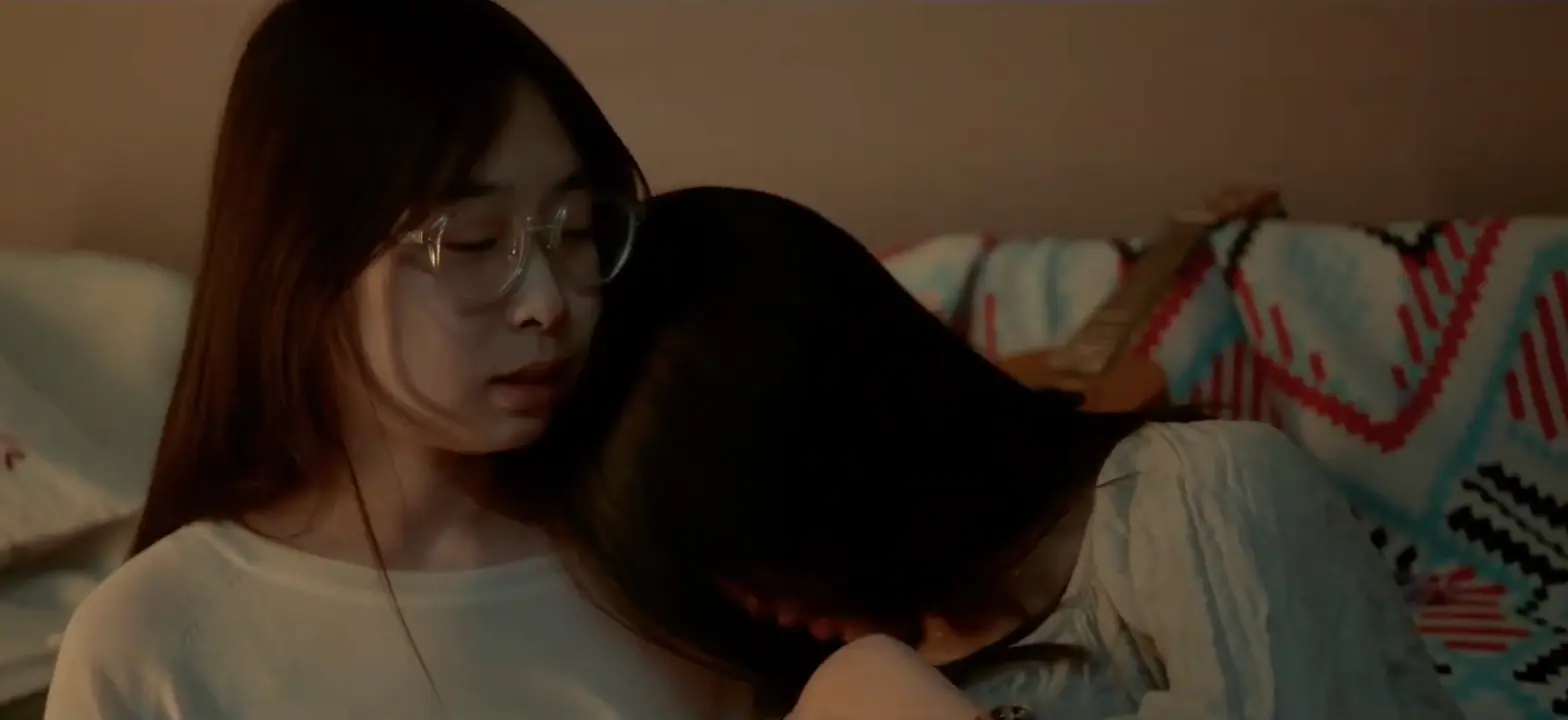
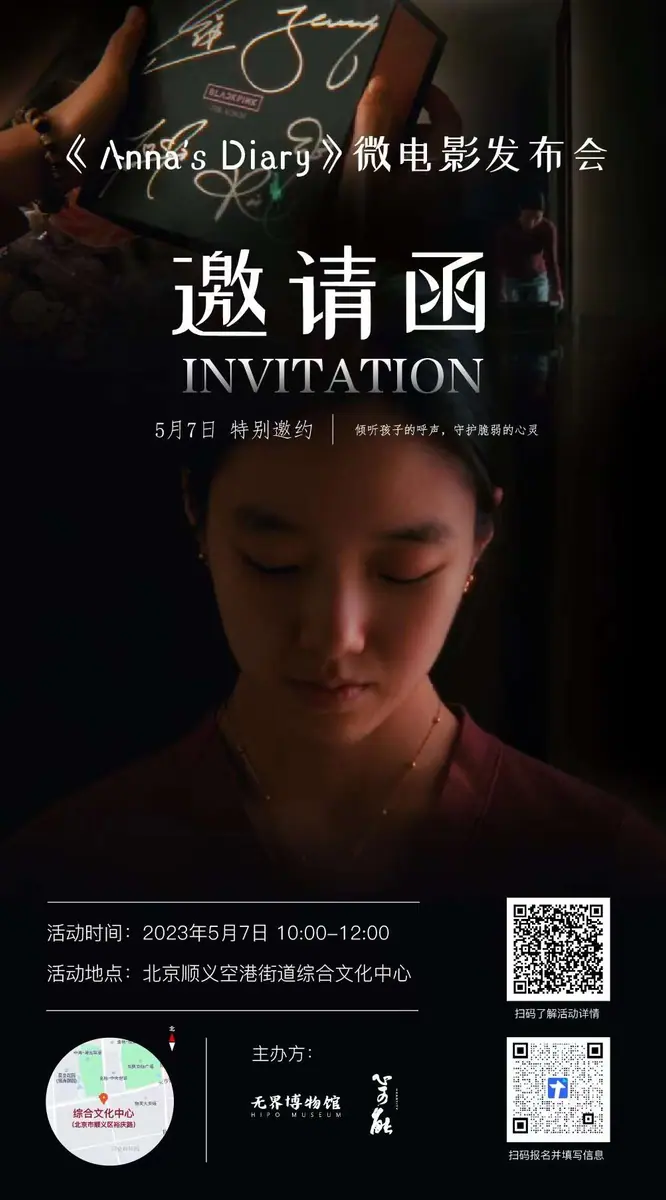
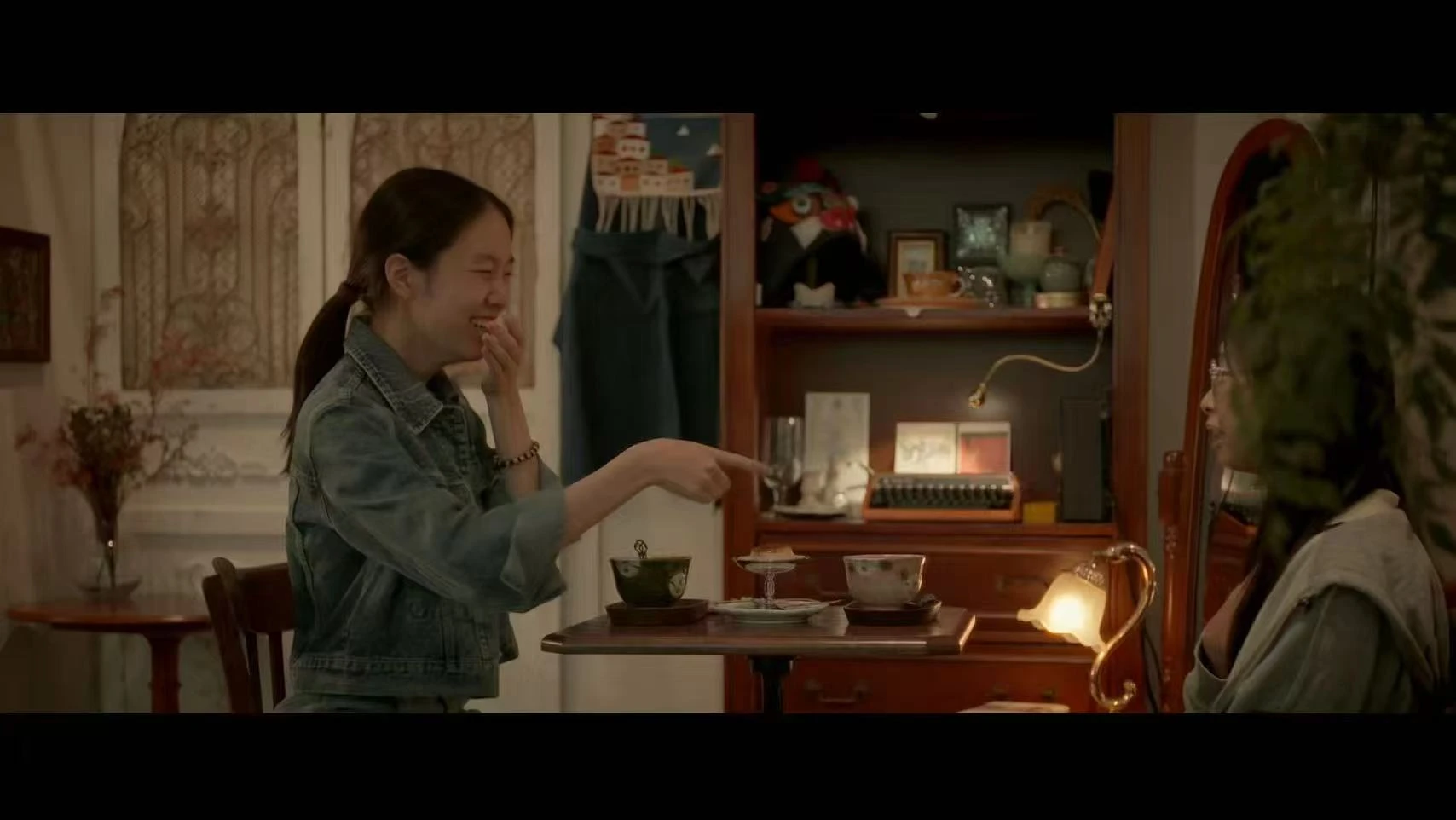
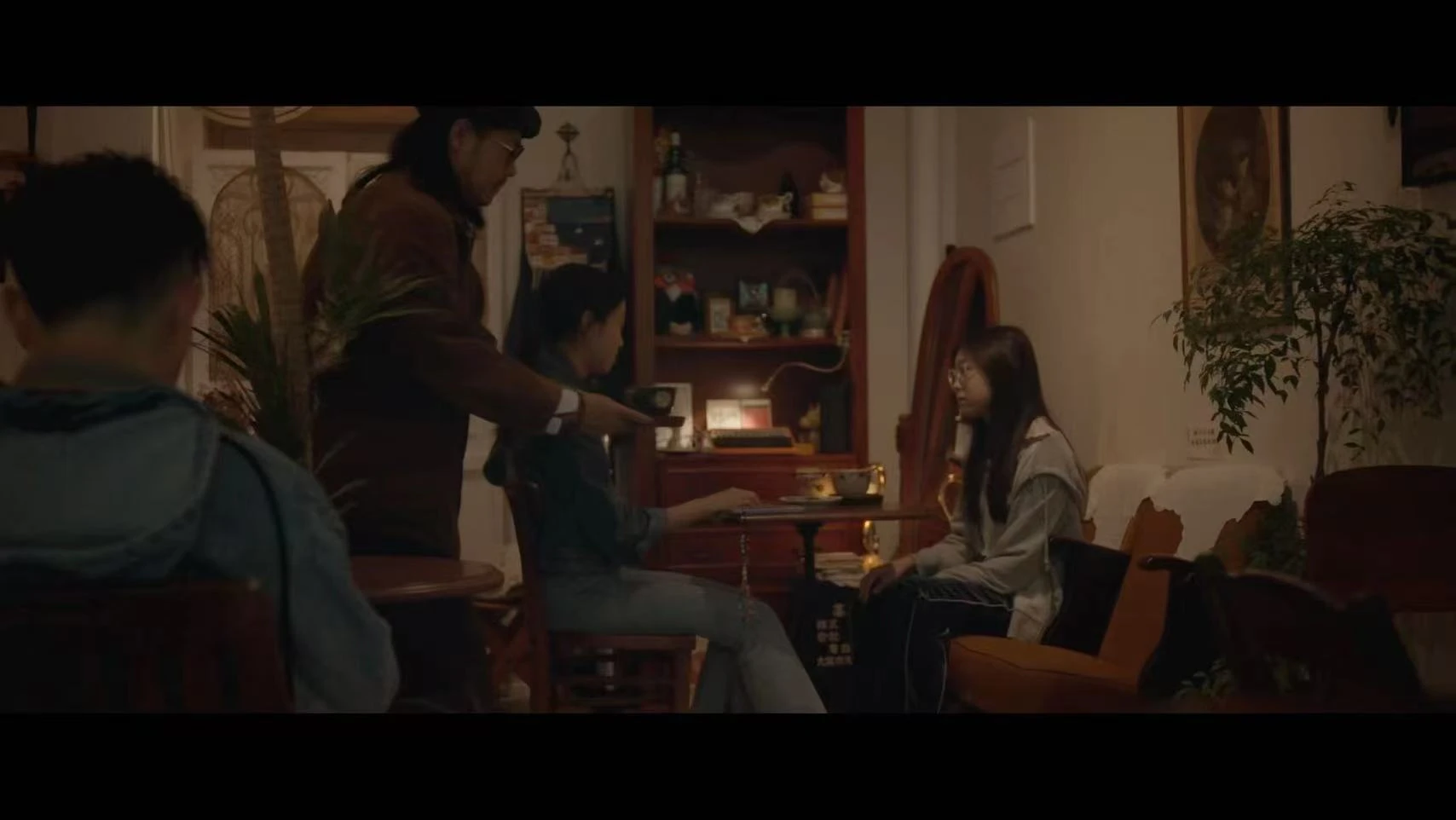
Anna’s Diary is a 12-minute short film about a teenager experiencing cyberbullying, isolation, and depression. Working with a team of five students, I contributed as scriptwriter, cinematographer, and actor.
I helped shape the narrative, coordinate production, frame and film scenes, and portray Anna’s emotional withdrawal on screen. Rather than treating mental health as an abstract message, we used performance, visual composition, and shifts in atmosphere to bring audiences into the character’s interior world. The film has received more than 6,780 views and has been recognized by youth film festivals internationally.
- 12
- minutes
- 6,780+
- views
- 9
- festival recognitions
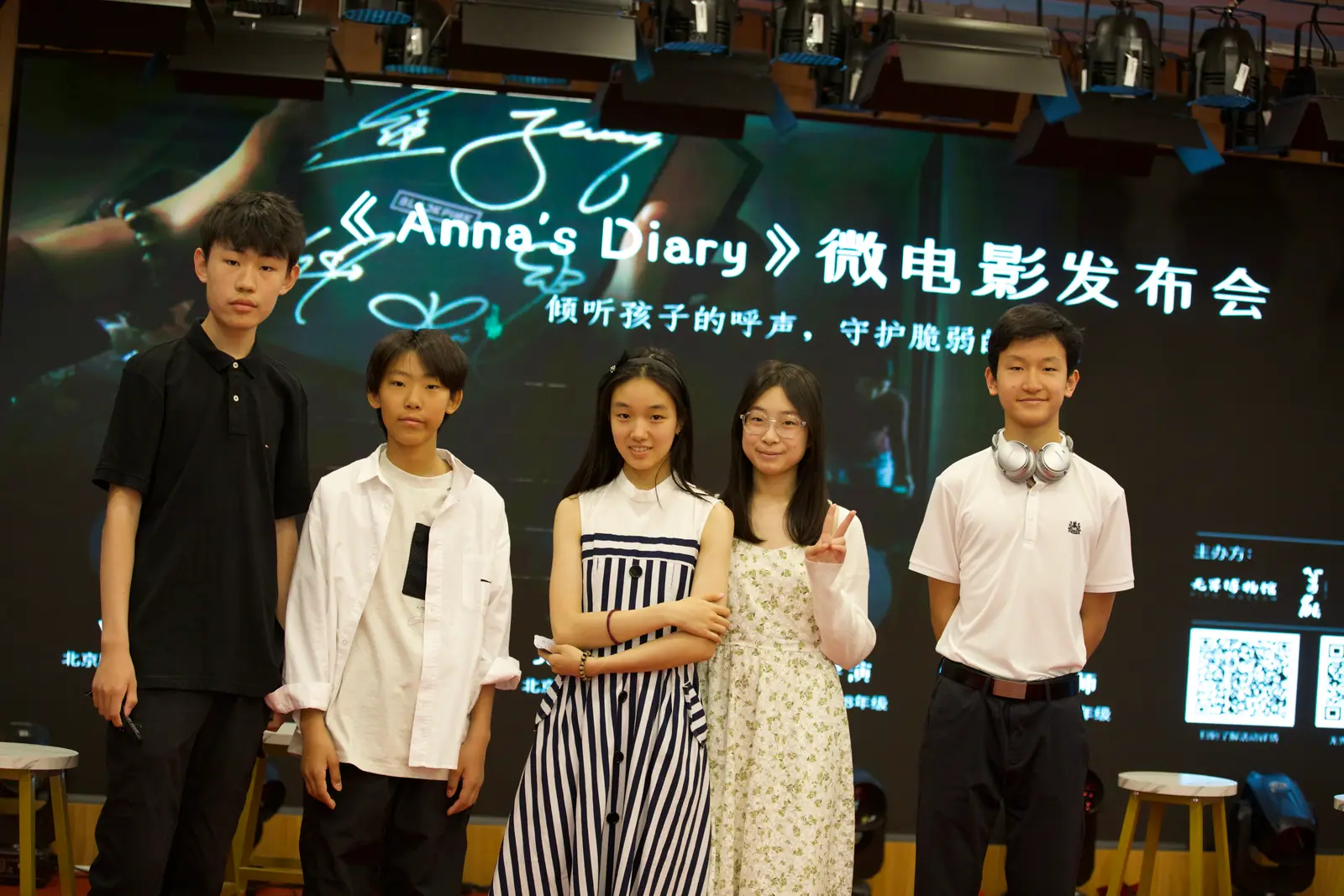
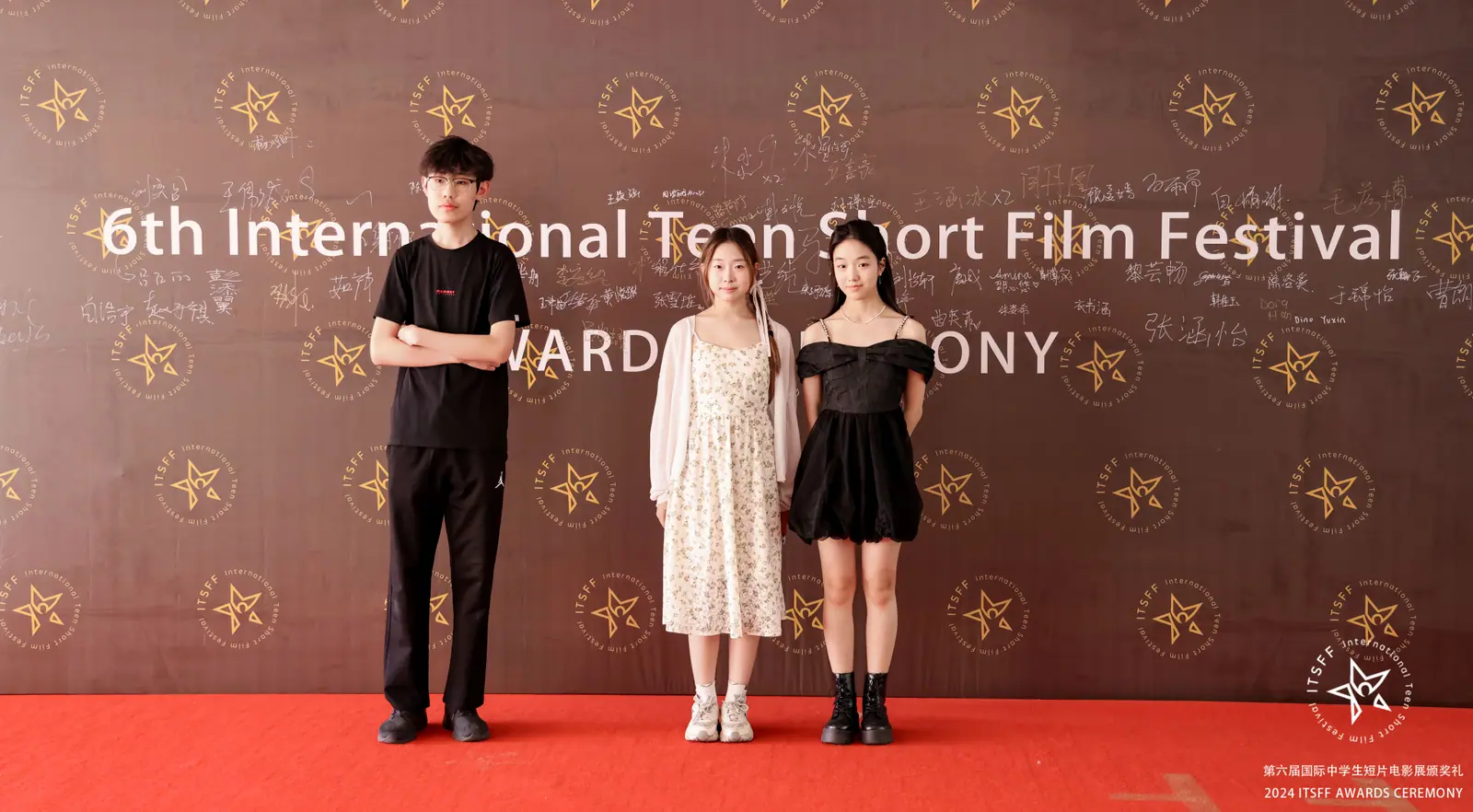

Behind the scene
Flavors of Beijing
Examining the Relationship between Food, Memory, and Care
Recognition
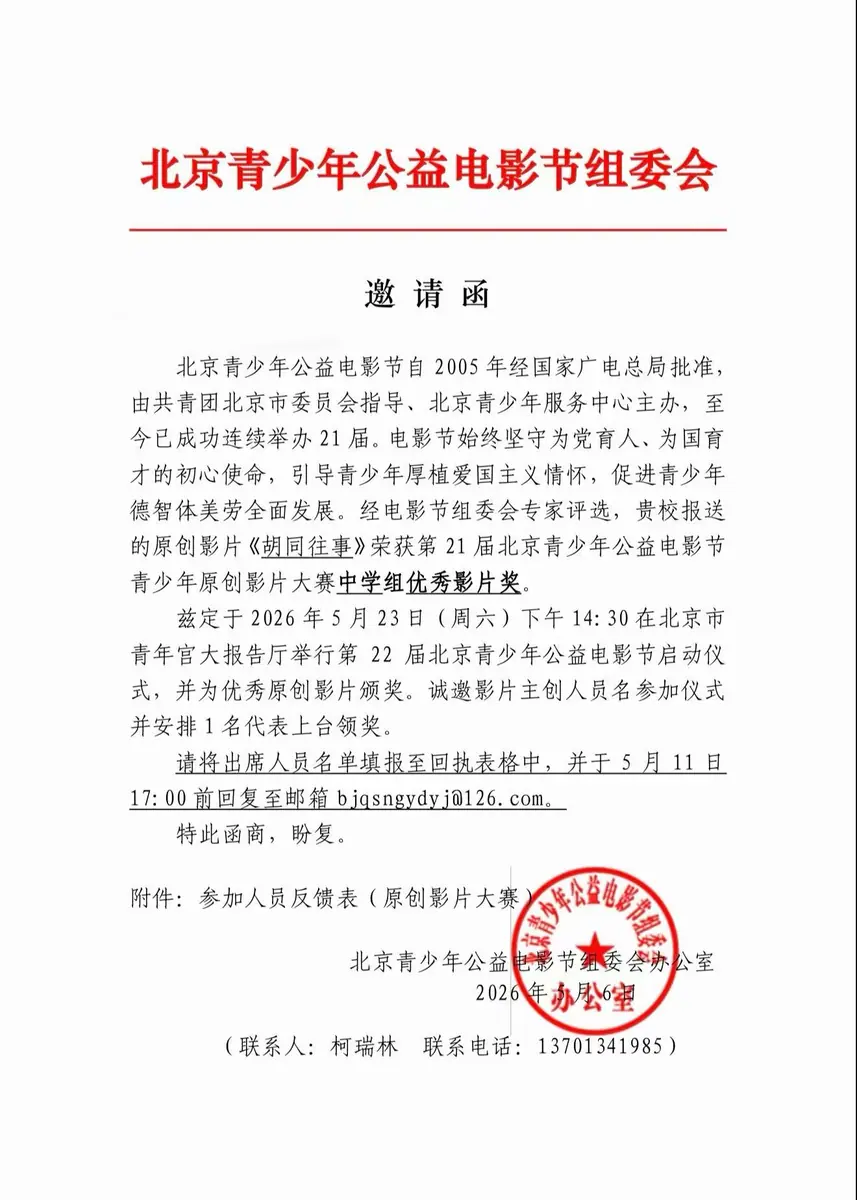
- 01Golden Butterfly Annual Special Recommendation and Best Film, China International Children’s Film Festival
- 02Best Film, Ginkgo International Youth Film Festival
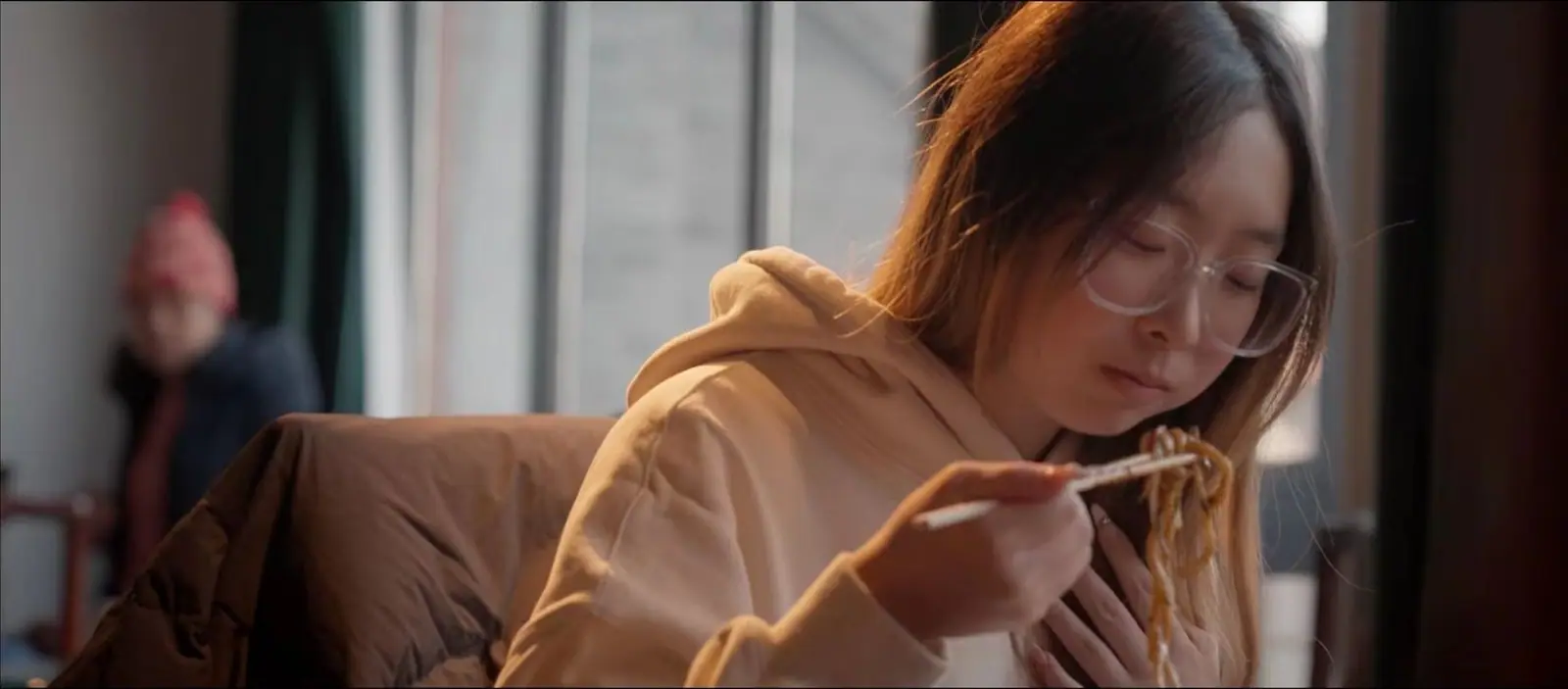
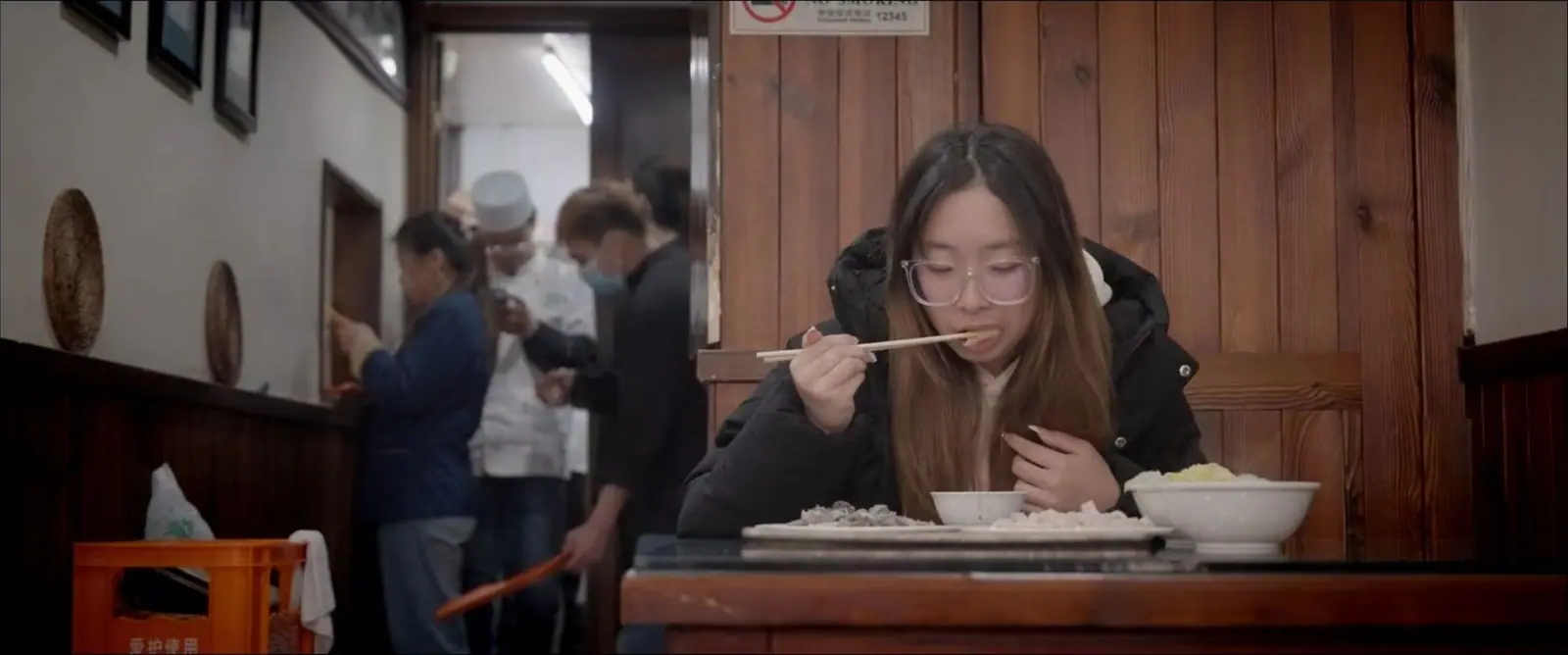
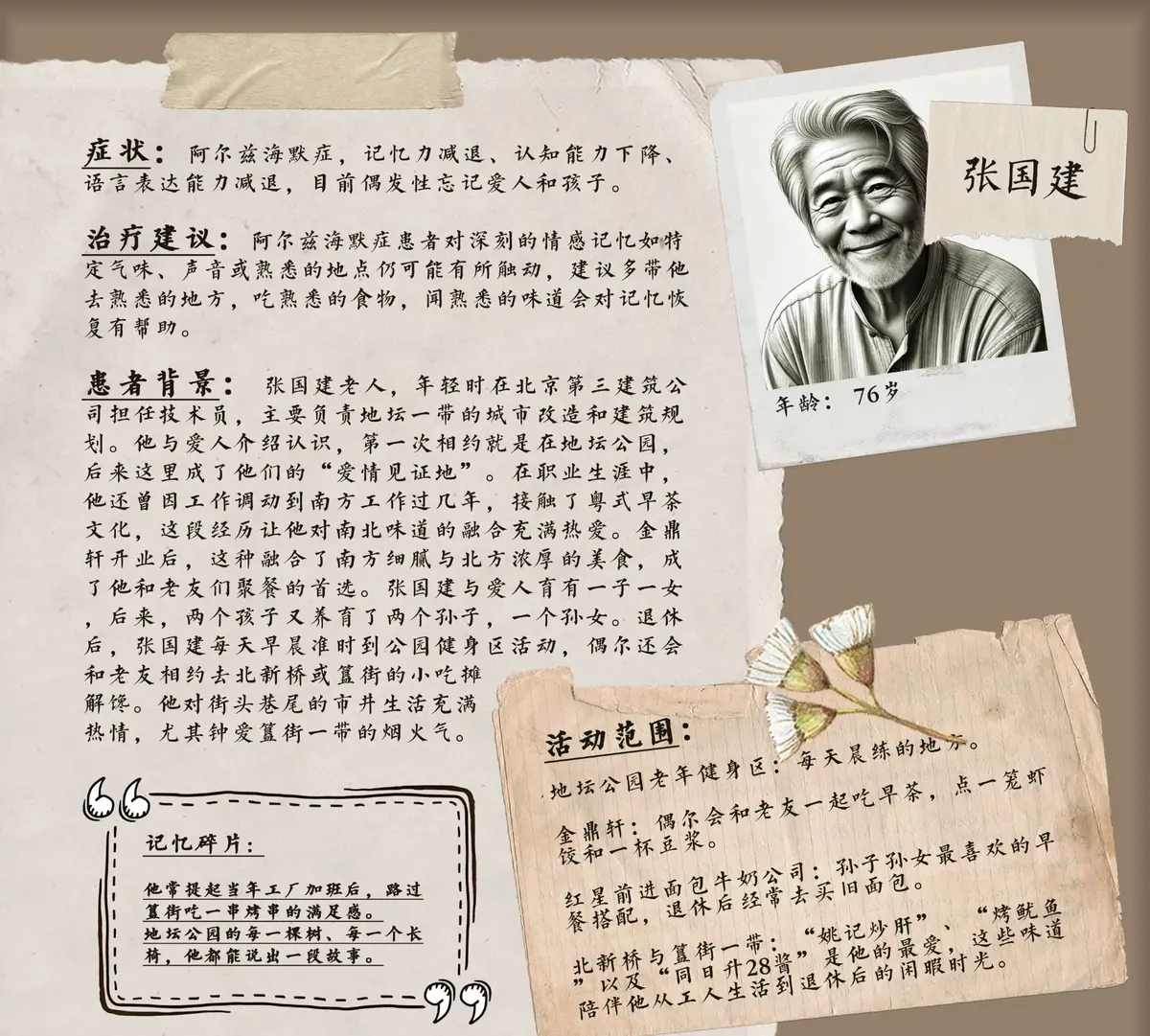
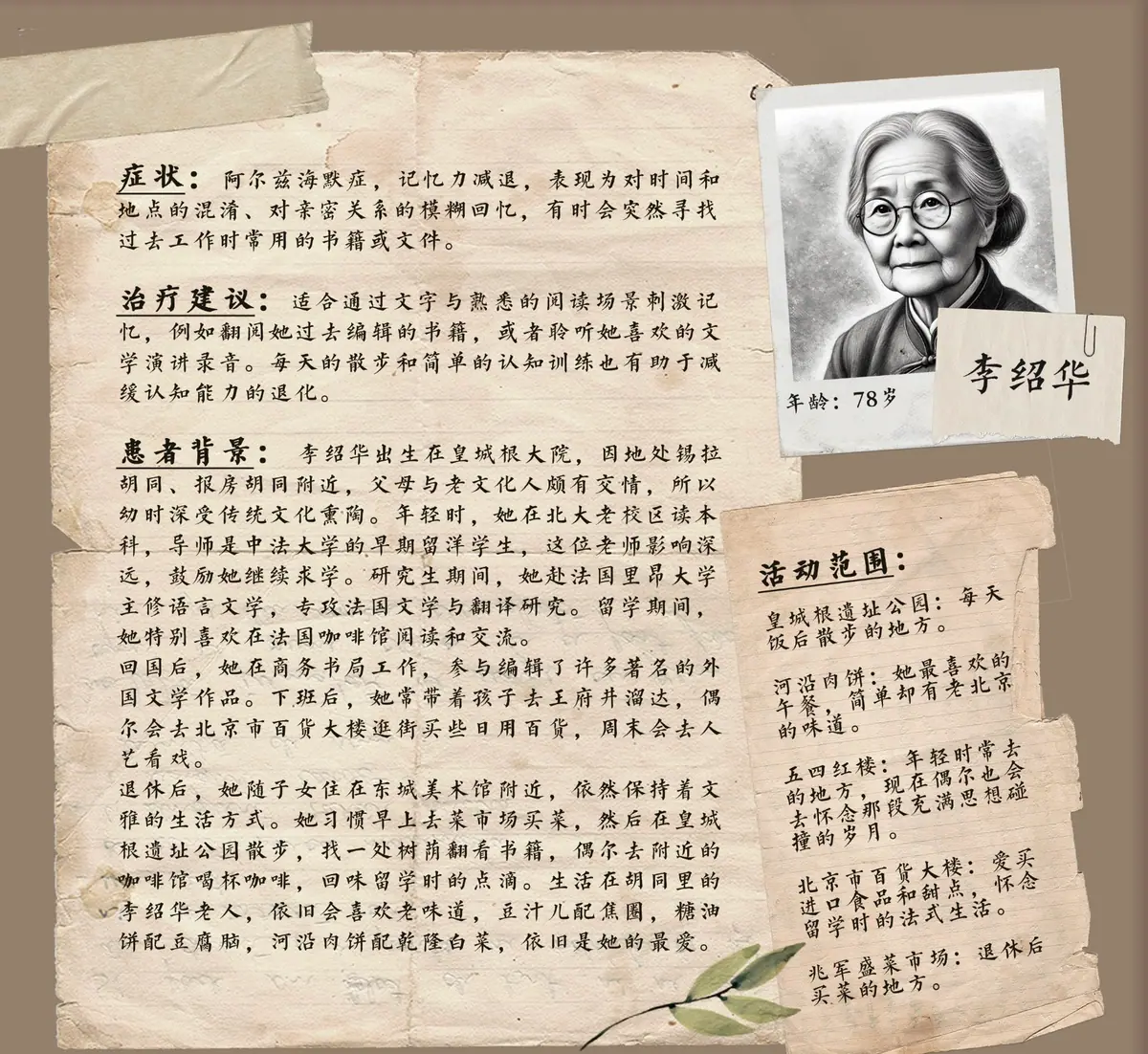
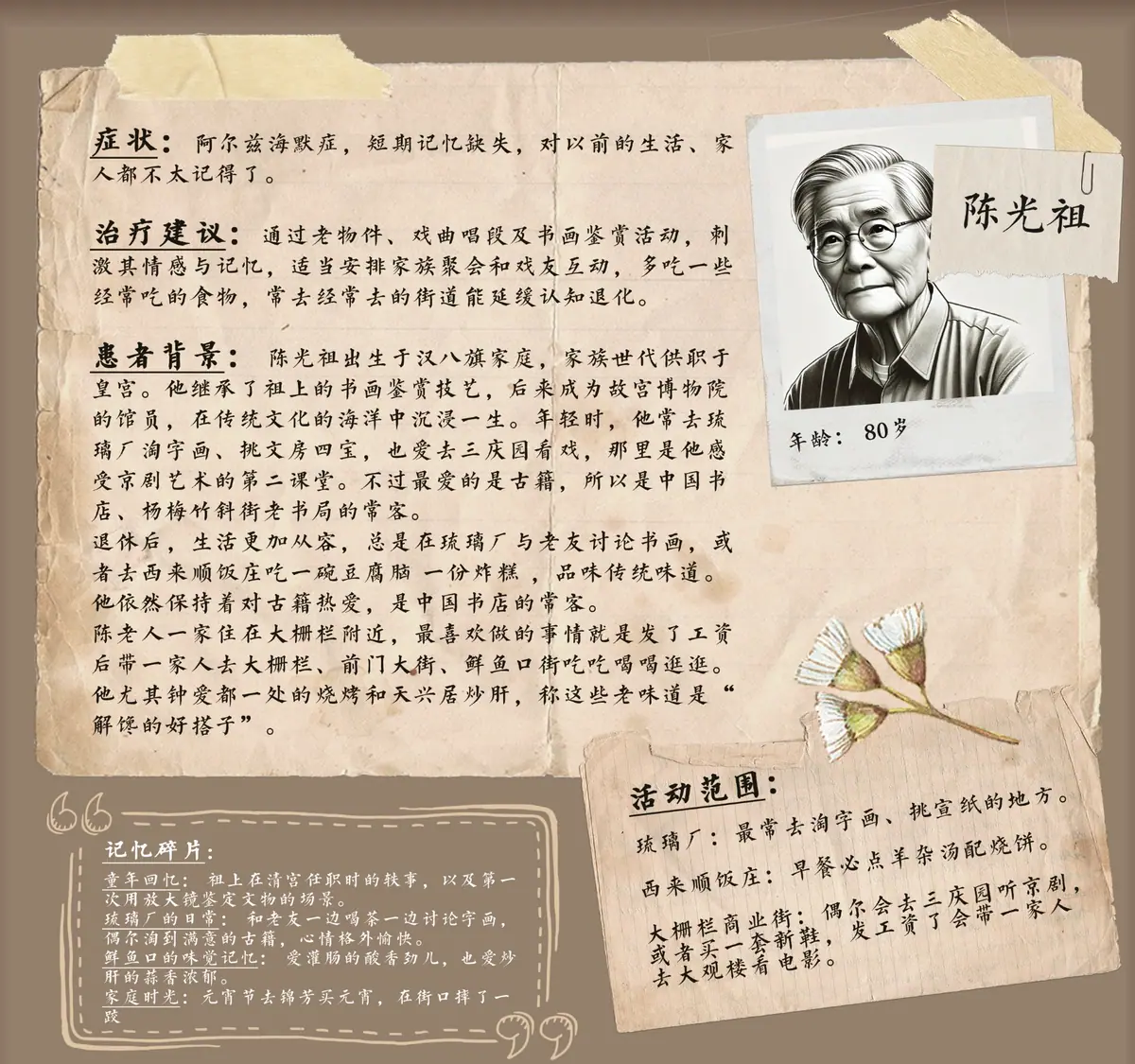
Four Seasons of Flavor is a 15-minute documentary. Over one intensive week, I worked with four peers as a scriptwriter, cinematographer, and actor.
We interviewed older adults living with Alzheimer’s disease about the Beijing dishes they remembered. Their recollections transformed food into a form of oral history—one connected to family, neighborhood life, changing seasons, and the city itself. I helped shape these conversations into a visual narrative that preserves individual voices without separating them from their cultural context. The documentary was screened for approximately 500 viewers.
- 15
- minutes
- ~500
- viewers at the screening
From Flunk to Funk
A 48-Hour Collaborative Experiment in Visual Storytelling
Recognition
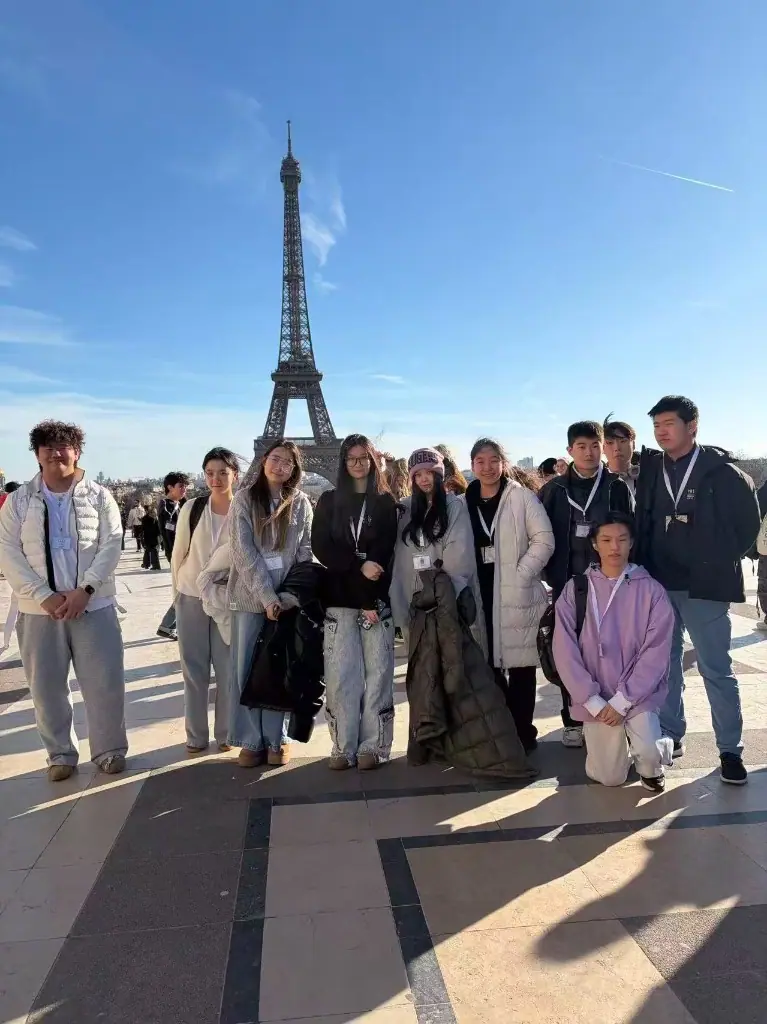
- Screened in a Paris cinema for more than 150 viewers and received a Best Prop Use nomination.
As cinematographer and scriptwriter for a four-student team, I helped develop the story, write scenes, operate the camera, and establish the visual rhythm of the film.
The challenge required every team to incorporate an assigned prop. Instead of treating it as a one-time requirement, we transformed it into a recurring motif that connected the film’s scenes and humor.
- 48
- hours
- 150+
- viewers in a Paris cinema
Photography
Movement, Timing and Unscripted Emotion
Through the ISB Aperture Photography Club, I photograph school events and athletic competitions, particularly basketball and swimming. Sports photography has trained me to observe movement before it fully happens: the direction of a player’s gaze, the preparation before a jump, or the instant when collective attention shifts.
I have developed skills in panning, burst shooting, framing, low-light photography, and post-production while contributing selected works to the club portfolio. Whether photographing an athlete or an everyday campus moment, I look for images that reveal emotion through gesture rather than explanation.
- Panning
- Burst shooting
- Framing
- Low-light photography
- Post-production
Portraits
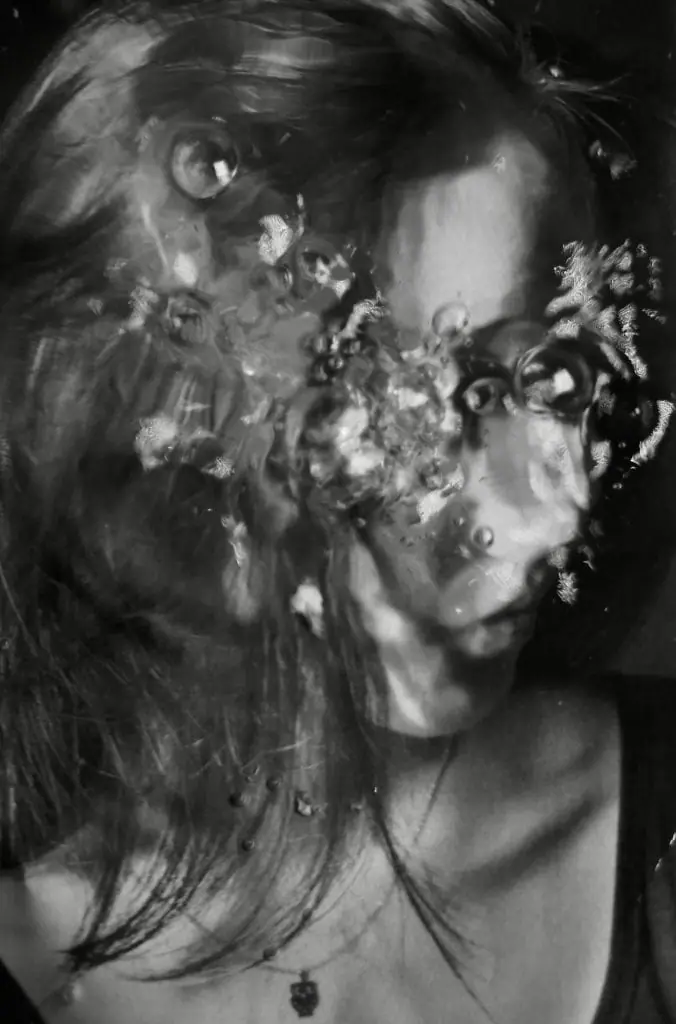
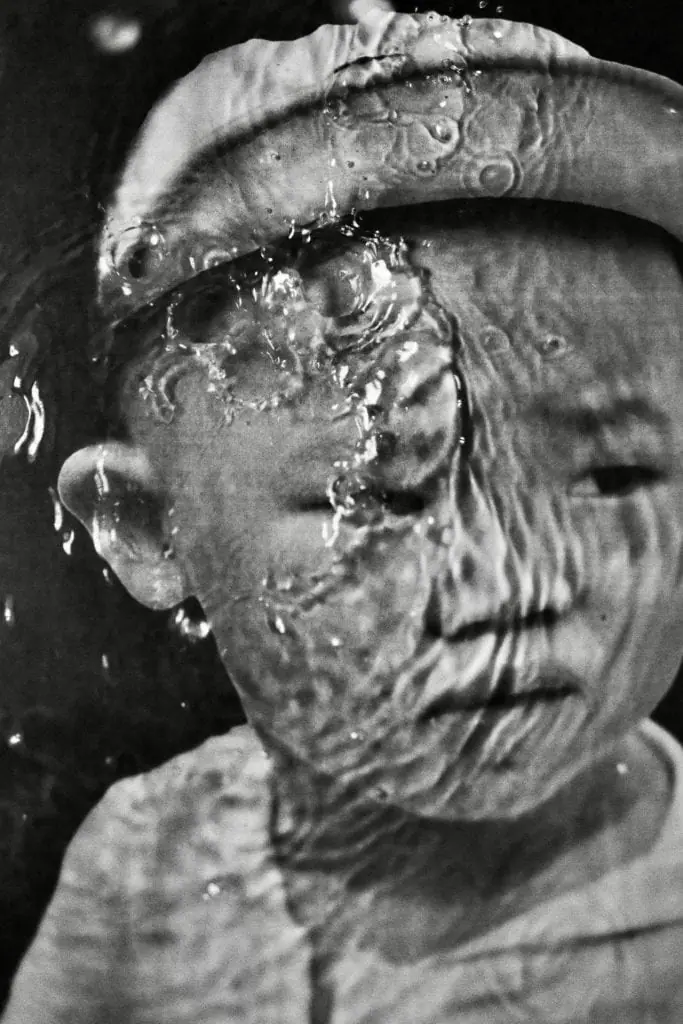
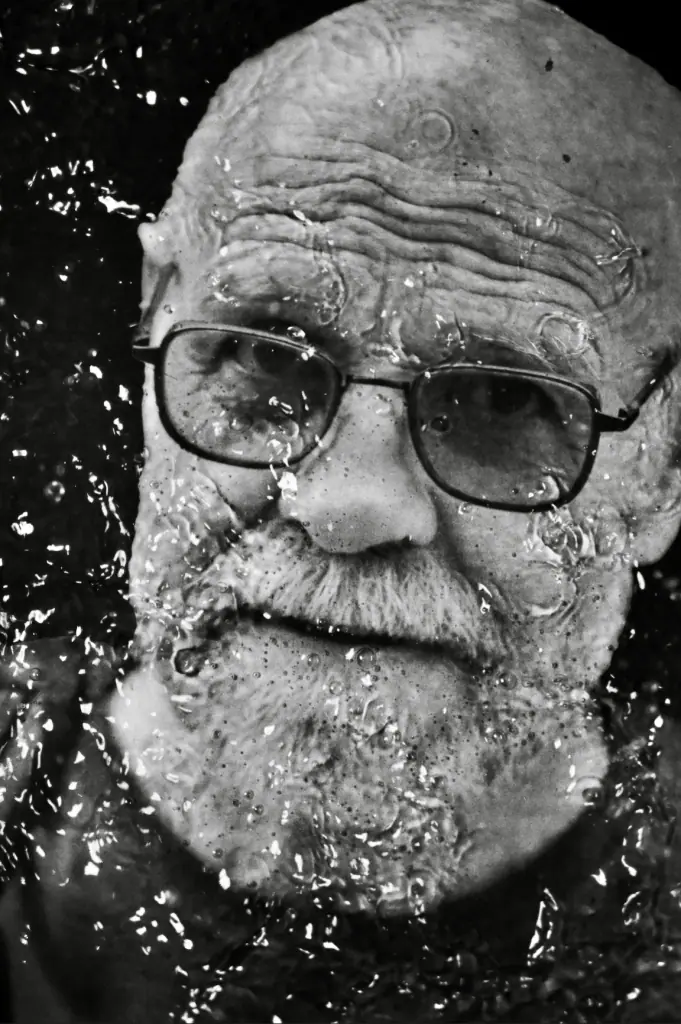
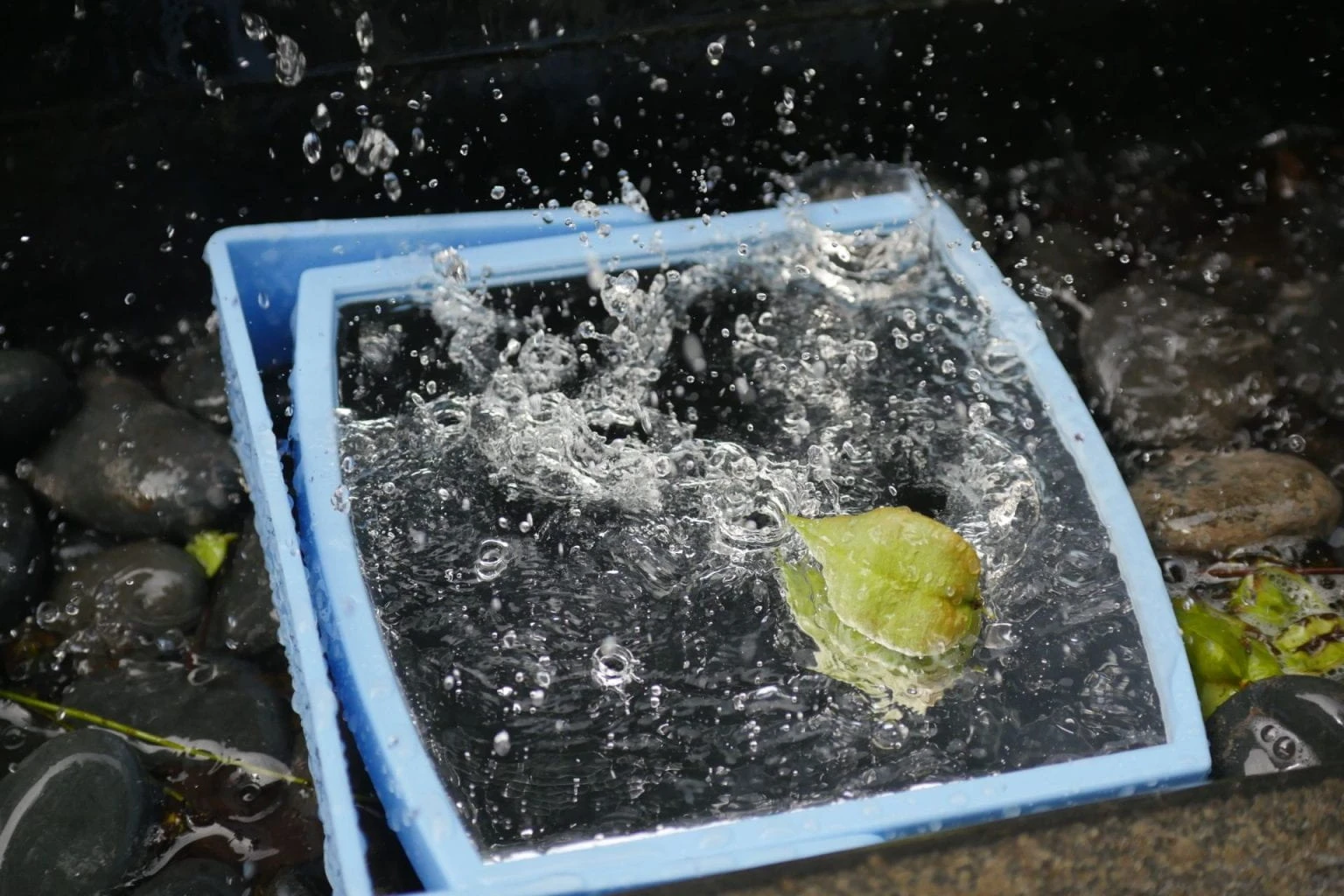
I am deeply inspired by Nick Fancher’s ‘This is water’ series, which focuses on facial reflections and water ripples. The ripples create an underwater effect, adding texture, while the bold black-and-white contrast illustrates the photos' texture. For my final photos, I chose three different age groups with diverse identities to evoke a sense of self-reflection on identity. By arranging them from youngest to oldest, the message of the passage of time is displayed, allowing the audience to reflect on different life stages. In the middle photo, bubbles and ripples cover the subject’s eyes, representing the process of finding identity and promoting further reflection.
To achieve my intent, I first printed out portraits and photoshopped the backgrounds to black so the subjects stand out. I then placed the portraits in a tray of water. I used a light angled at 45 degrees to clearly capture the water ripples' shades. I took the photos in a dark studio with a higher ISO and faster shutter speed to prevent blur and capture the ripples clearly. The photos were then cropped so the subject fills the entire frame, focusing the audience’s attention on the major elements.
Light & Motion
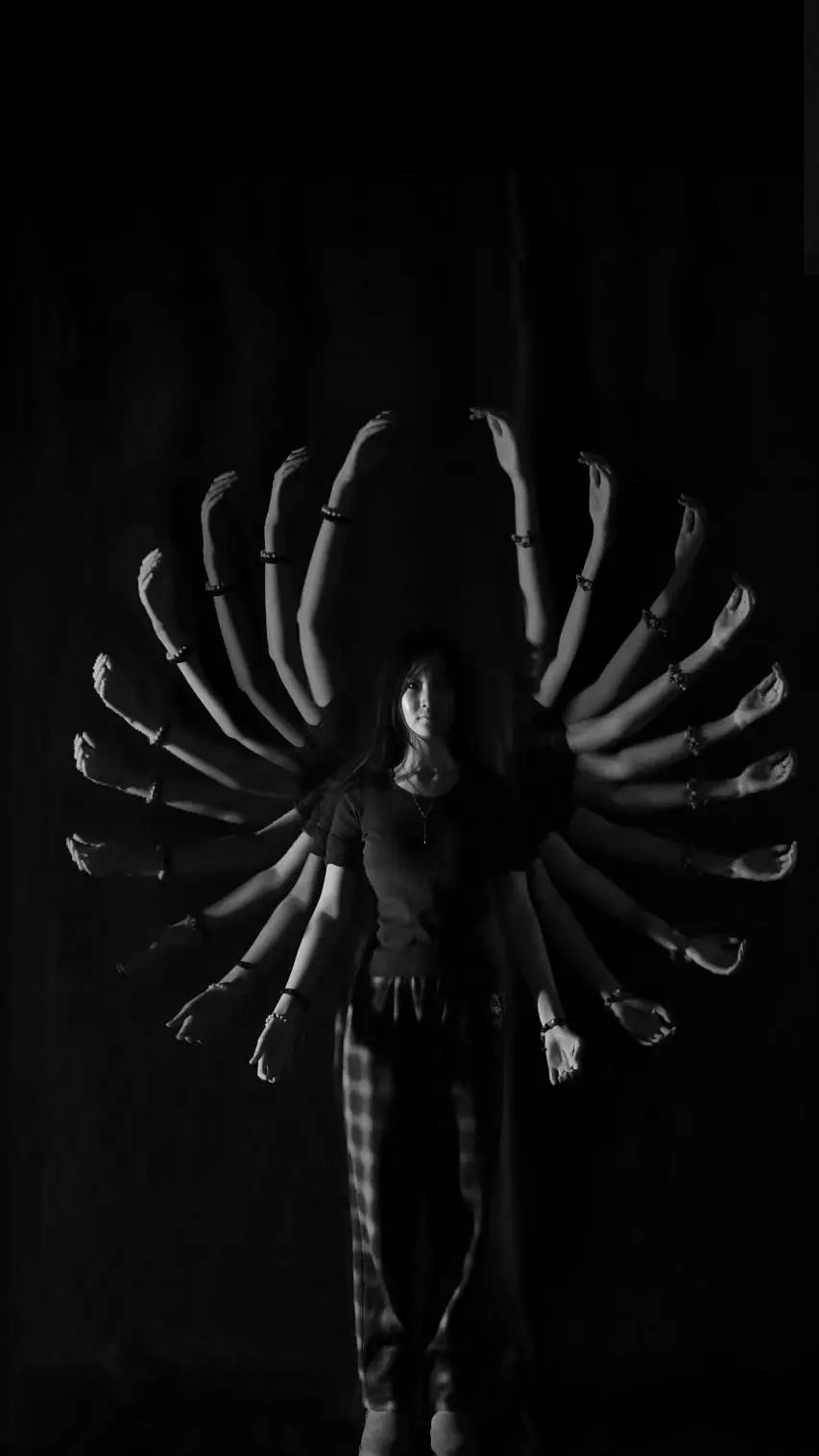
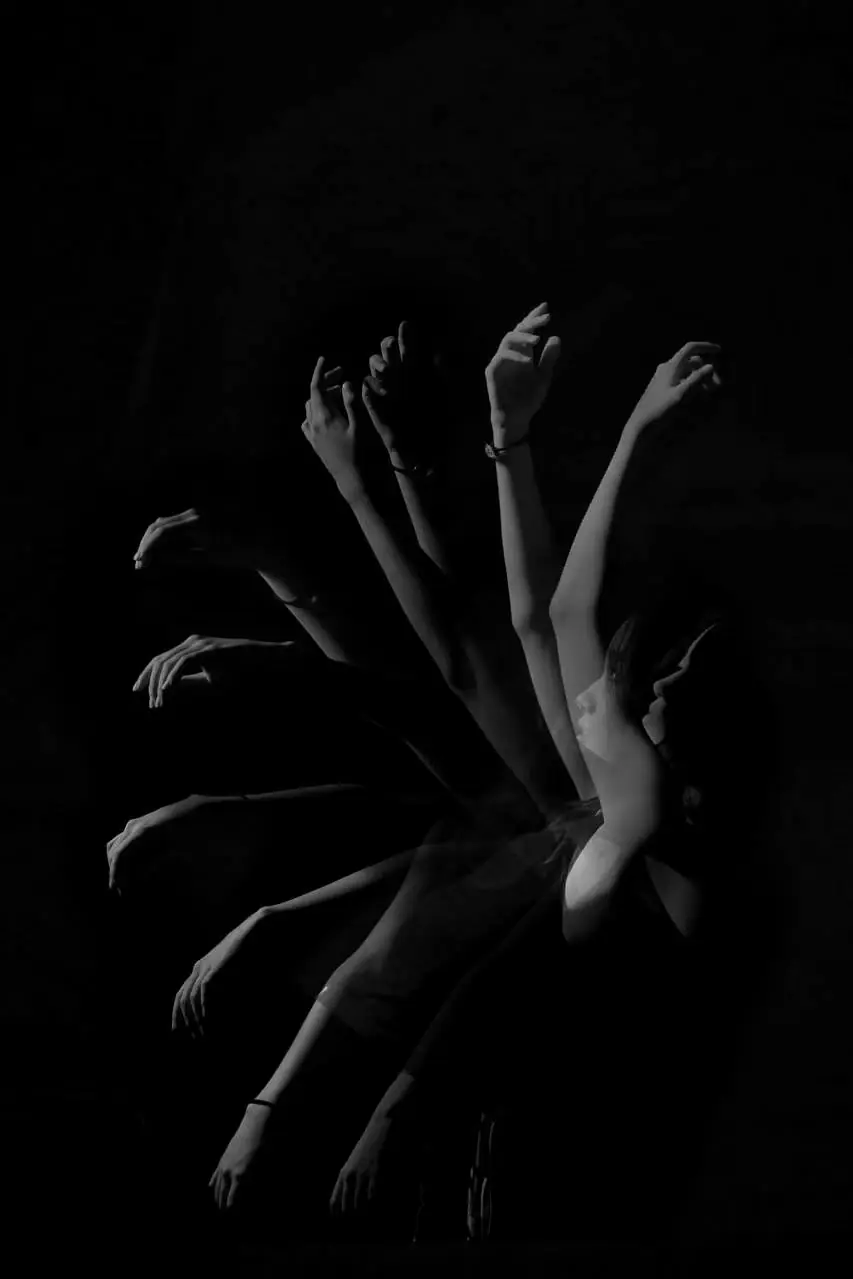
My final set of photos focuses on capturing movement, emphasizing the beauty of poses. I am deeply inspired by Jim and Betsy Wilson, known for exploring movement by having multiple actions in a single frame. I wanted to follow their technique while adding my perspective, focusing on different movements and a black-and-white shade. The black background highlights the movements through contrast, drawing the viewer’s attention towards the subject.
I took this set in the studio with the lights closed. I utilized high ISO and fast shutter speeds to ensure clarity and sharpness, preventing blur in the dark room. I positioned side lights to highlight the models' contours and create depth, while reducing background shadows. After capturing several images of each model performing different movements, I photoshopped them to combine multiple poses into one image. By adjusting the opacity and positioning of each shot, I created a layered effect that highlights the transitions between movements.
Leaves
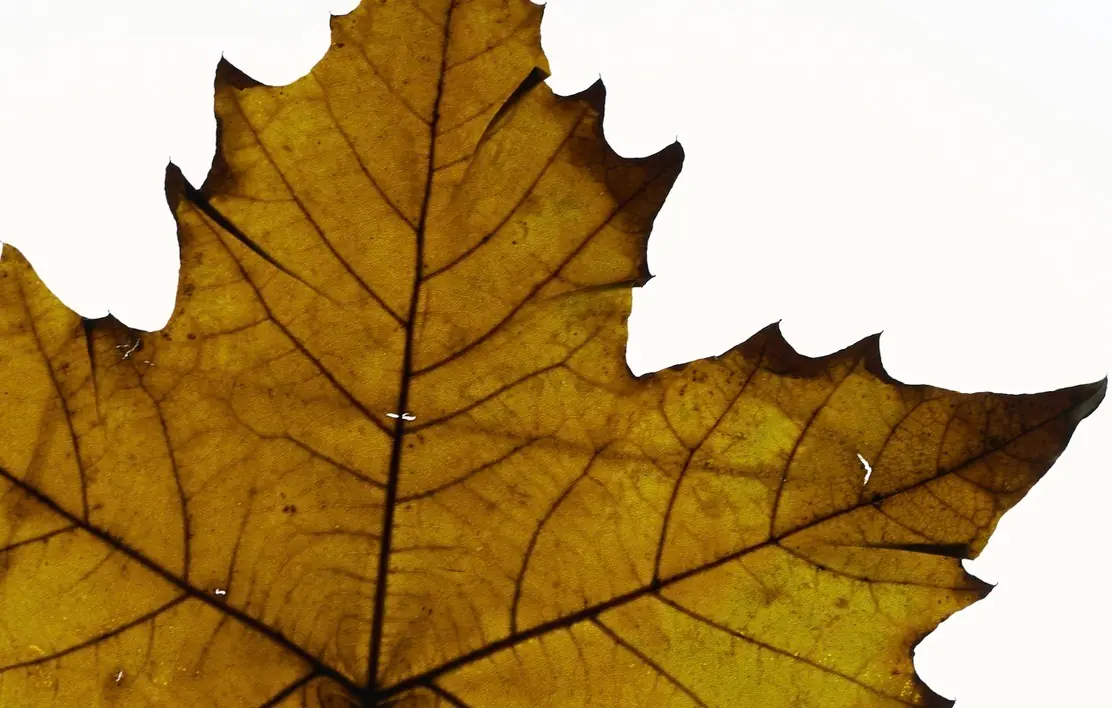
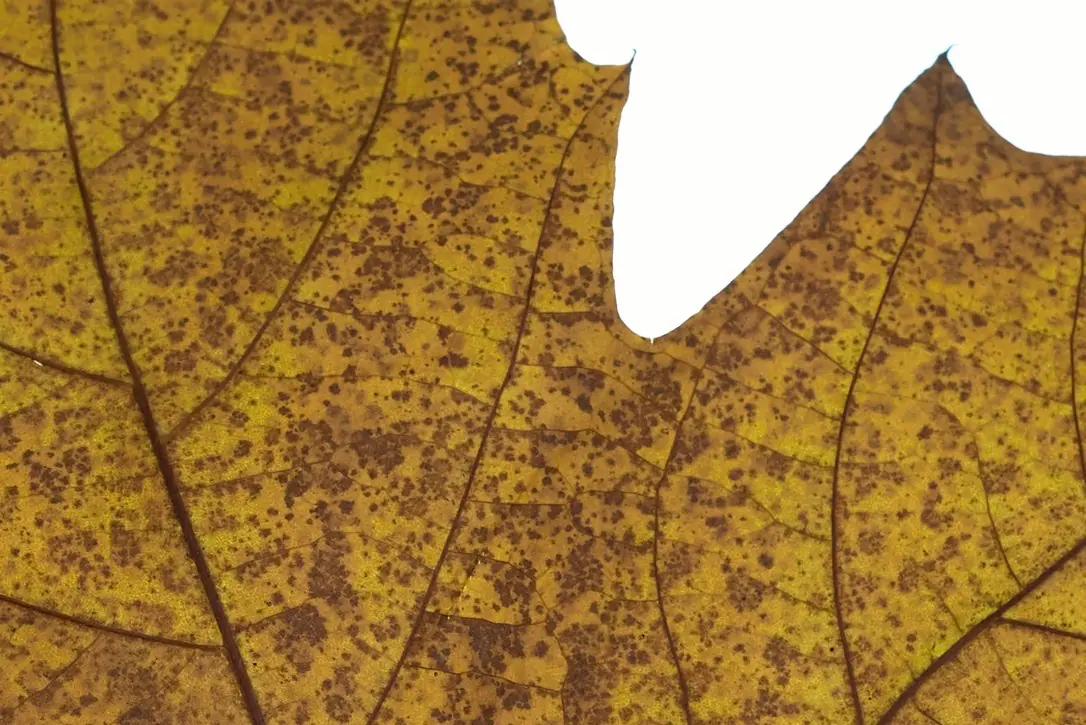
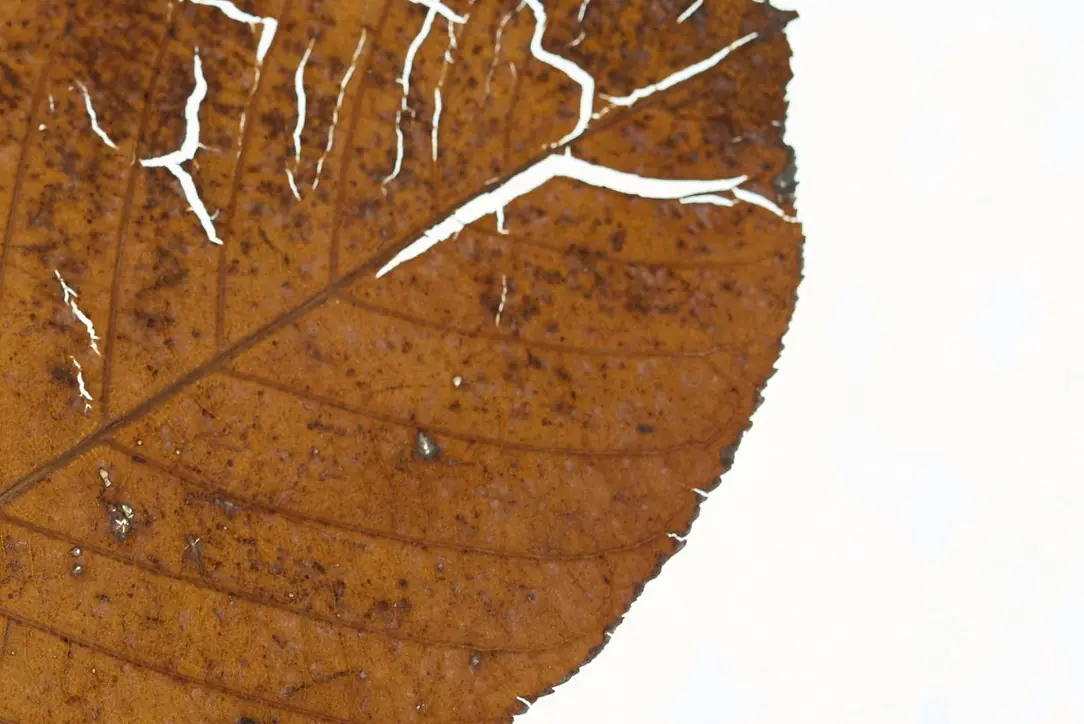
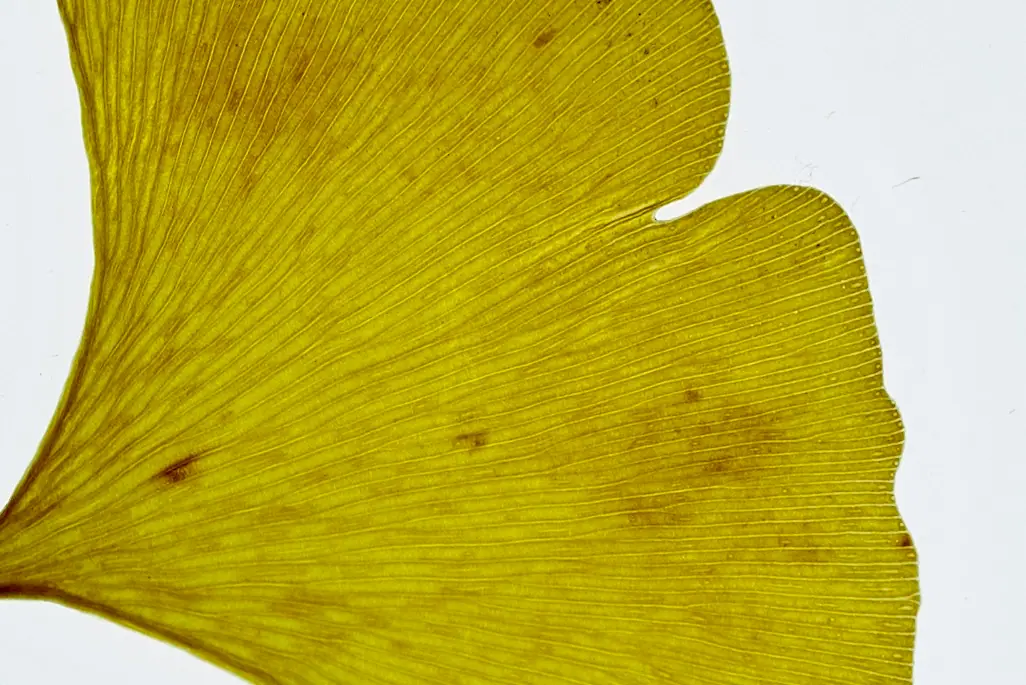
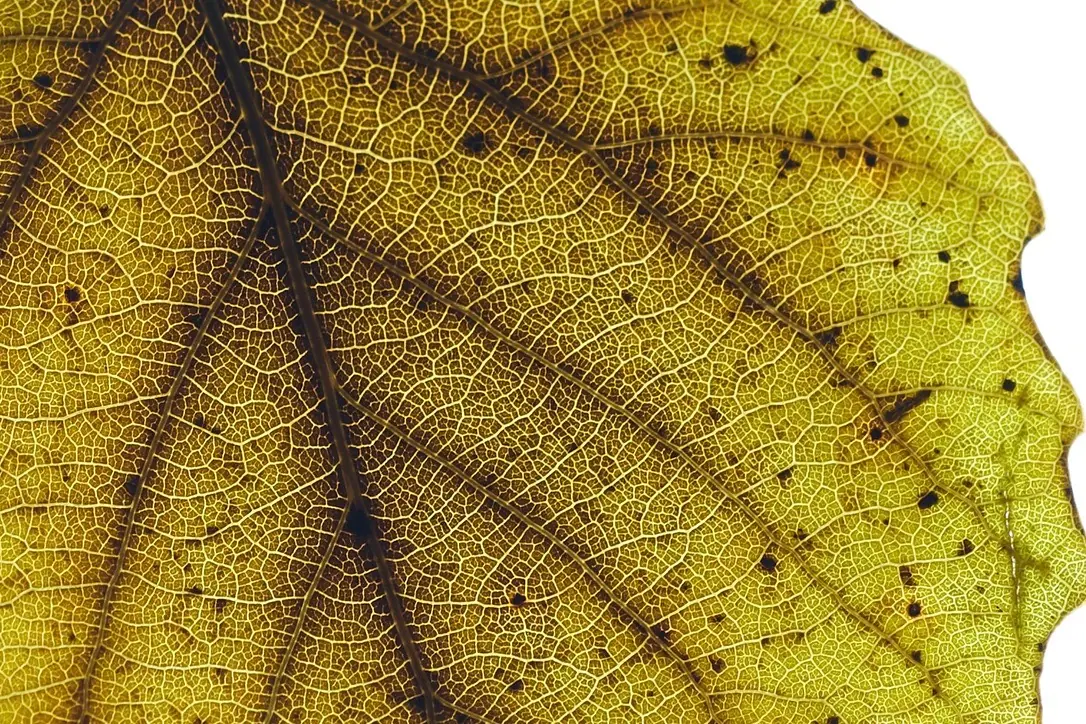
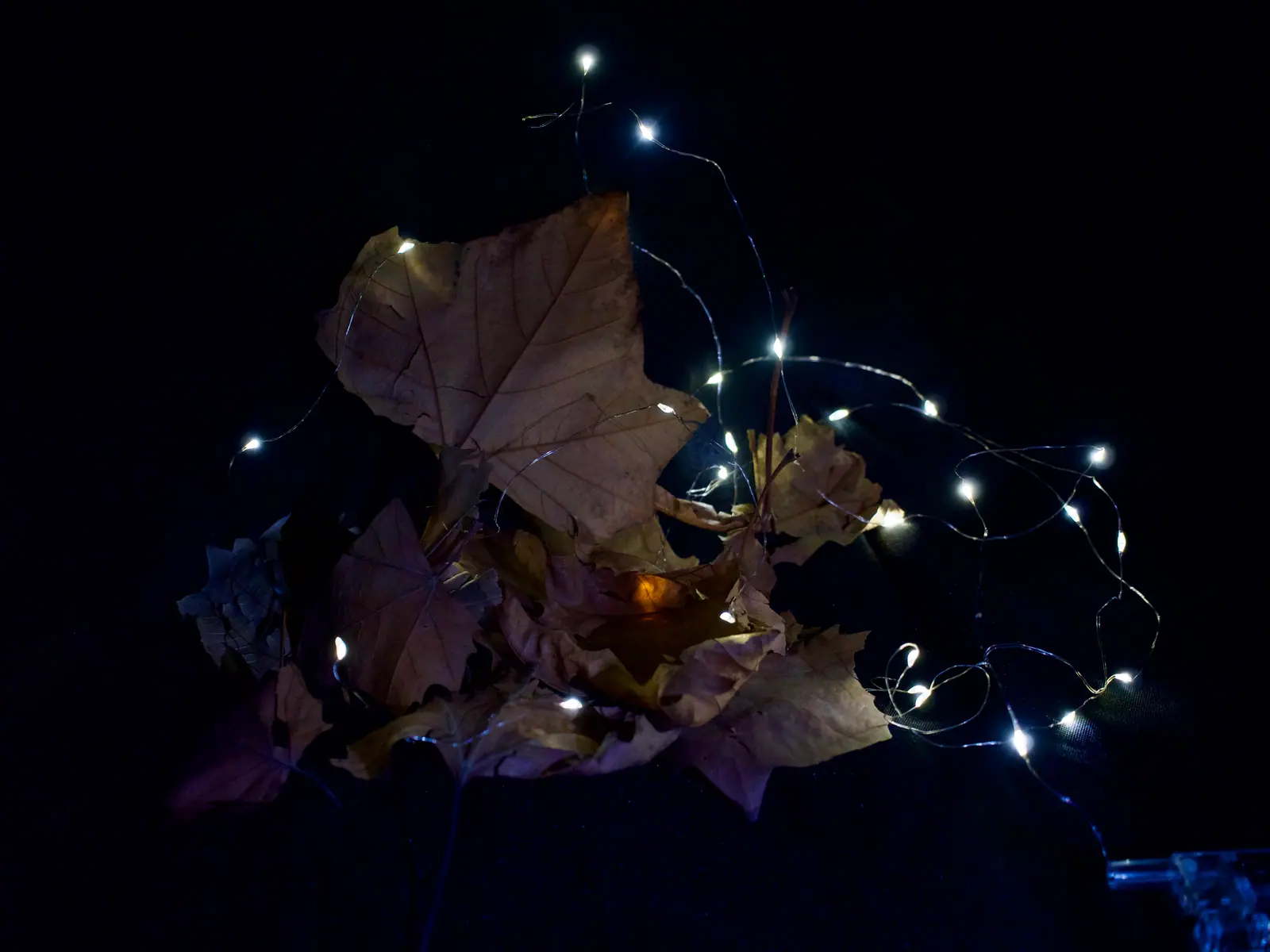
For this set of photos, I placed the leaves on a lighting backboard to make the fibers on the leaves bold, highlighting the texture of the leaves. I used the technique of a lower ISO and a higher shutter speed for this effect. Then, I cropped the photos to zoom-in on the detail of the leaves, minimizing blank background.
Still Life
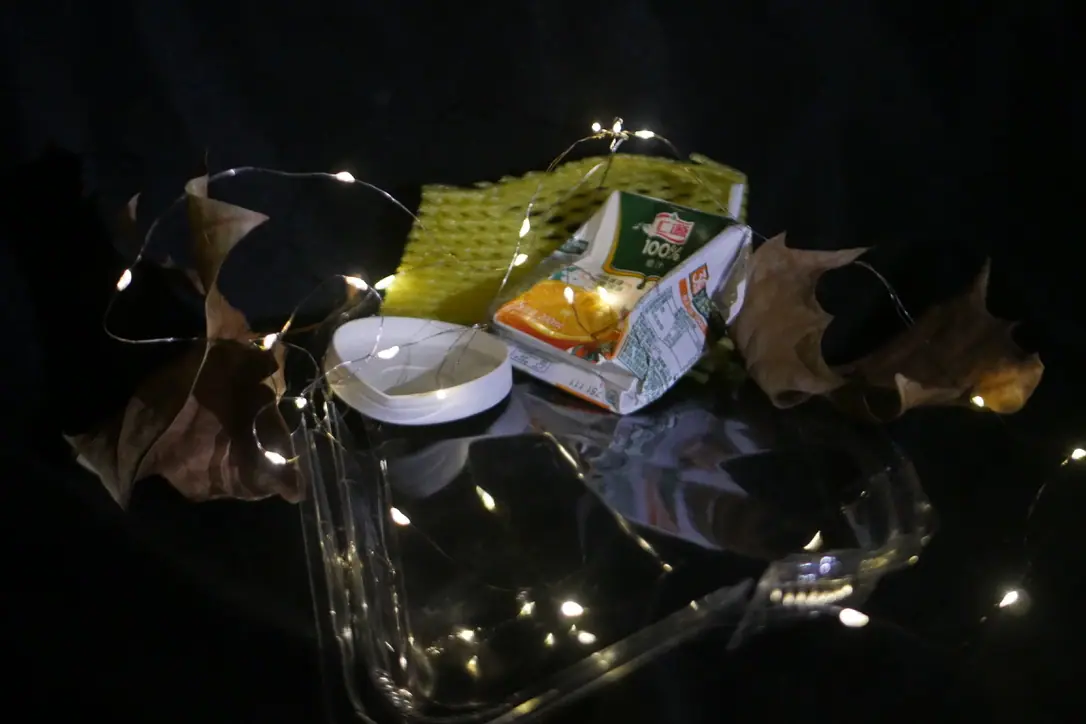
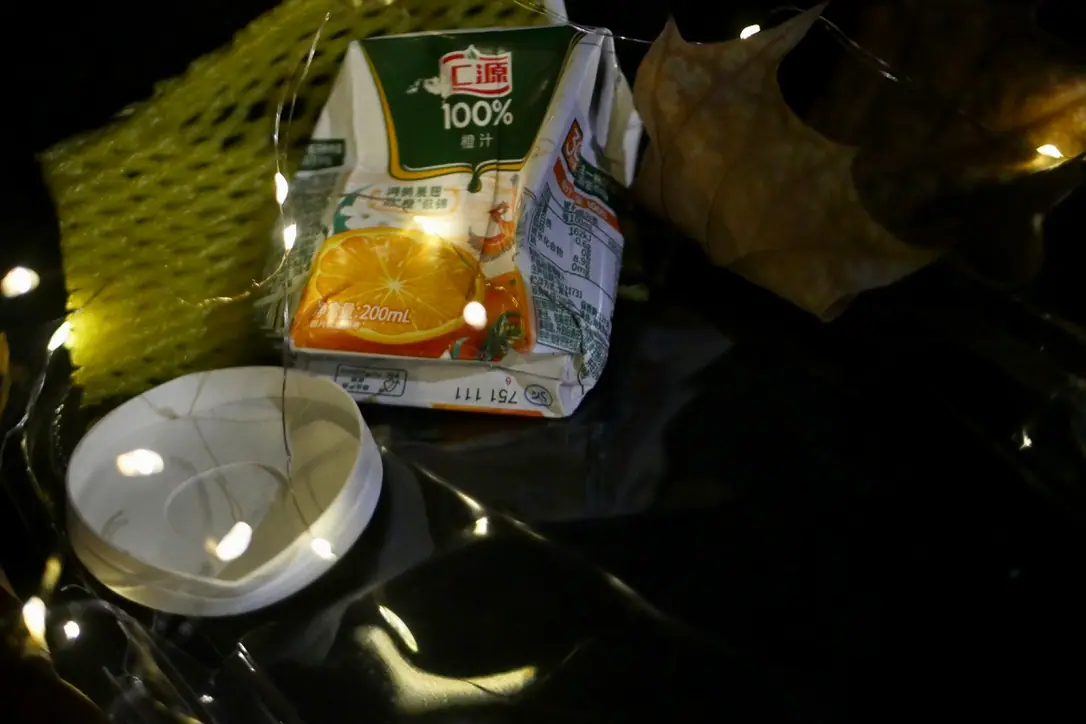
My final set of photographs captures the theme of discarded items through a thoughtful arrangement of discarded items such as an orange juice box and dried leaves, etc. The juxtaposition of elements of nature with human-made waste creates a powerful on visual, emphasizing the theme of the environment harmed by waste that human produce in every day life and the trash that people often throw away but are not aware of the consequences. This contrast invites the viewer to reflect on the impact of discarding items in nature.
One of the standout features of the image is the discarded plastic cover, specifically evident in the last photo, which not only serves as a reflective surface but also a hint of the core message. The reflection within the cover mirrors the discarded items, surrounded with dead leaves, creating a visually compelling layer that deepens the theme. This reflection symbolizes how discarded items that are often unnoticed by people continue to exist in our environment, pushing the audiences to reflect and make a connection. Moreover, the use of fairy lights wrapped around the discarded items introduces a contrasting element of warmness in the scene, drawing the audience’s attention towards the subject. The contrast adds a layer of visual uniqueness that softens the harsh reality of pollution. This juxtaposition creates a sense of irony, with the fairy lights evoking a feeling of comfort and the discarded items representing the waste produced by humans. The lights also highlight the waste that have been carelessly discarded.
In terms of techniques, I used a iso of 1600 and a fast shutter speed to have the items clear to see. I also had a light source at around 70 degrees in front of the scene to make it brighter, allowing the viewers to focus on the discarded items.
Distortion
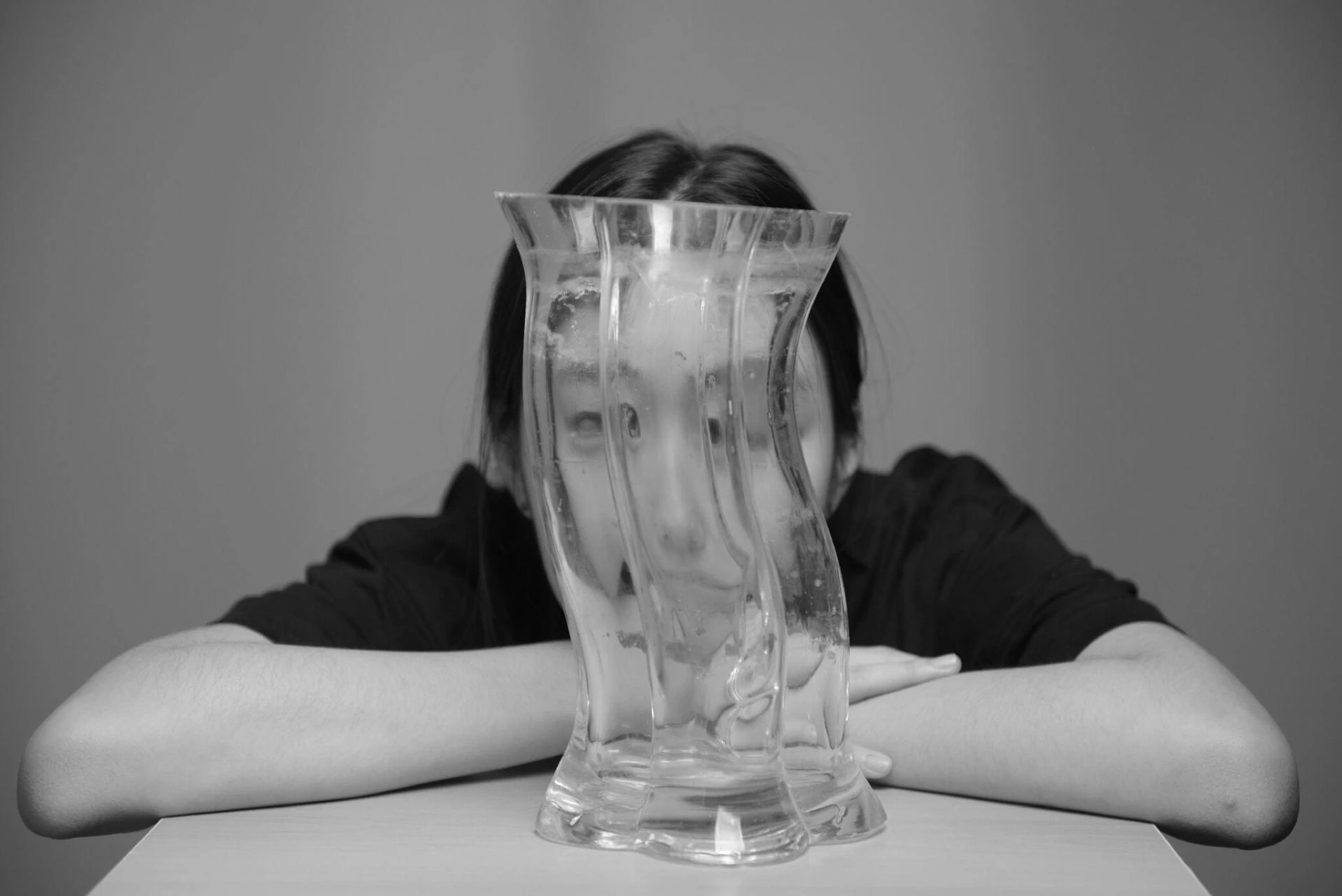
I framed this medium shot in black and white, placing the wavy glass vase directly between the subject’s face and the lens. I chose a simple neutral grey background to eliminate distractions and keep all focus on the distortion created by the transparent vase. The rippled glass distorts her features while her eyes still hold a steady gaze toward the camera.
I used this visual device to explore the gap between true self and external perception. Even though she is looking straight out at the viewer, the vase acts as a filter that fractures and bends her image. By removing color, I directed attention to form and the uneasy tension of being partially seen.
Reflections
In this set of photos, I had the focus on the scenes that are reflected from the mirror. The frame of the mirror helps guide the audiences’ attention to the scenes inside the mirror. By having the outside of the mirror blurring, a depth of field is created.
Inner Tension
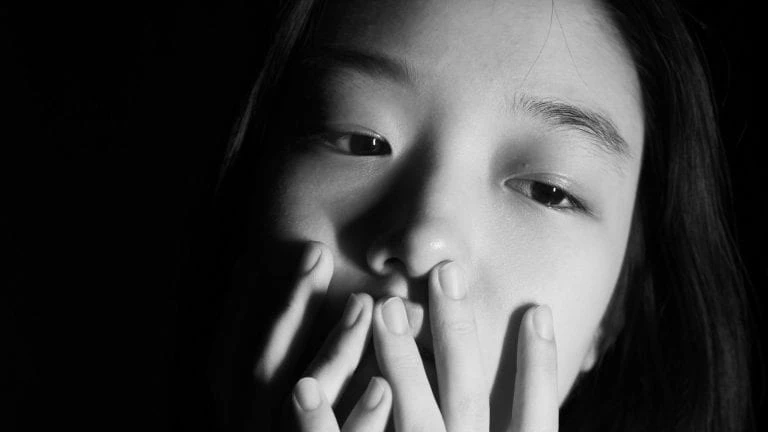
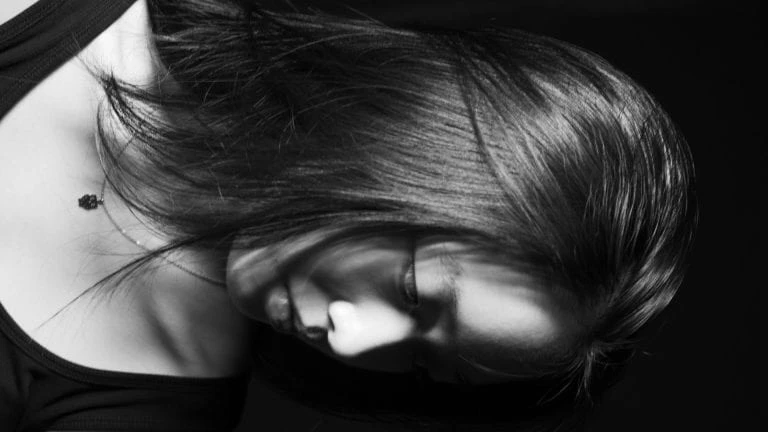
In this set of photos I paired these two black-and-white close-ups to contrast two different states of inner tension. In the first frame I used soft directional key lighting to illuminate the subject’s face. Her raised fingers hover over her mouth. This gesture suggests suppressed speech hesitation or unspoken thoughts. Her eyes meet the camera directly. This creates an intimate confrontational connection with the viewer.
For the second shot I kept the framing level. I used dramatic sculpting lighting to cast deep shadows across her downturned face. She curls inward and avoids eye contact entirely. Together these two shots visualise a shift. The first shows quiet restrained self-awareness when she faces the world. The second shows private withdrawal when she turns away. The deep black negative space in both frames strips away context. All focus stays on her body language and the contrast between guarded visibility and inward retreat.
Pickleball
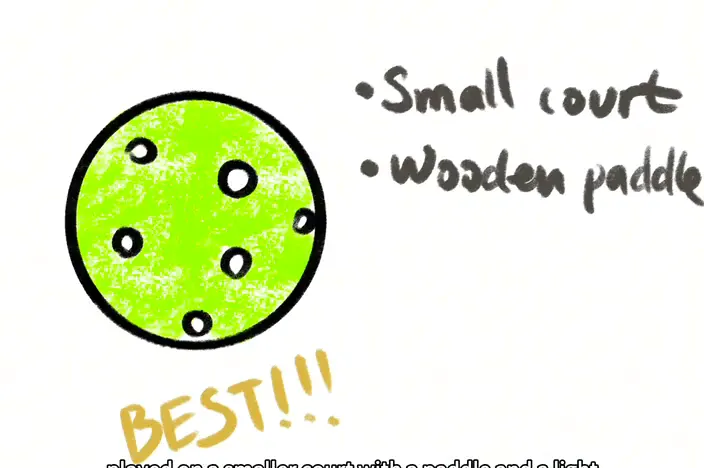
This hand-drawn animation, made with my classmate, explains the basic rules of pickleball in a fun and simple way. Through frame-by-frame drawing, we show how to serve, score, and stay out of the kitchen. The video breaks down key rules in a way that is easy for beginners to understand. We wanted to combine clear instruction with playful visuals. Every scene was sketched by hand or filmed, giving the animation a warm, personal feel. We hope viewers learn the rules while enjoying our creative take on the game.